

In the rapidly evolving automotive industry, where lightweighting, enhanced durability, and cost-efficiency are paramount, plastics have emerged as a game-changer. Today, plastics constitute approximately 10–15% of a modern vehicle’s total weight, contributing significantly to improved fuel efficiency, reduced emissions, and superior performance. This shift allows for intricate designs that traditional materials like metal struggle to achieve, making custom plastic injection molding the preferred method for manufacturing a wide array of automotive parts.
This in-depth guide delves into the nuances of custom plastic injection molding specifically for automotive applications. We’ll cover the detailed process, essential materials with their properties and uses, expert design tips to optimize parts, common components produced, benefits of partnering with a China-based manufacturer, cost considerations, emerging trends as of 2026, and guidance on selecting the ideal molding partner. Aimed at OEMs, Tier-1 suppliers, product engineers, and procurement professionals, this resource equips you with the knowledge to make informed decisions for your projects, ensuring precision, scalability, and innovation.
By the end, you’ll understand how this versatile process can transform your automotive designs into reality. If you’re ready to explore tailored solutions, consider reaching out for a personalized consultation on your next project.
What Is Custom Plastic Injection Molding?
Custom plastic injection molding is a highly efficient manufacturing technique where thermoplastic materials are melted and injected into a custom-designed mold under high pressure. The material then cools and solidifies within the mold cavity, forming the desired part shape. Upon cooling, the mold opens, and the finished part is ejected. This method is particularly suited for the automotive sector because it supports high-volume production while maintaining exceptional precision—tolerances as tight as ±0.005 inches are achievable—ensuring parts meet the rigorous demands of vehicle assembly and performance.
Unlike standard molding, custom injection molding involves tailoring the mold, materials, and process parameters to specific part requirements, such as complex geometries, integrated features, or multi-material components. Its advantages include rapid cycle times (often seconds per part), minimal material waste, and the ability to produce lightweight alternatives to metal parts, which can reduce vehicle weight by up to 50% in certain applications, enhancing overall efficiency and handling.
Detailed diagram of the plastic injection molding process
The Injection Molding Process for Automotive Parts: Step-by-Step
The injection molding process is a meticulously orchestrated sequence that ensures high-quality output. Below is a detailed breakdown, highlighting how each step applies to automotive part production:
- Part Design & DFM Analysis – This initial phase involves creating CAD models and conducting Design for Manufacturability (DFM) reviews to identify potential issues like flow problems or structural weaknesses early, saving time and costs. For automotive parts, this includes simulating real-world stresses such as vibration or impact.
- Mold Design & Tooling – Engineers design and fabricate the mold using durable materials like hardened steel for long-run production or aluminum for prototypes. Multi-cavity molds can produce multiple parts per cycle, boosting efficiency. Discover our advanced injection mold design and tooling expertise for automotive applications.
- Material Selection & Preparation – Resins are chosen based on part requirements and prepared by drying to remove moisture, preventing defects like bubbles. In automotive contexts, this step ensures compliance with safety and environmental standards.
- Injection Molding Cycle – The machine clamps the mold shut, injects molten plastic, applies packing pressure to fill all details, and holds it to compensate for shrinkage. Cycle times vary from 10–60 seconds, optimized for high-volume automotive runs.
- Cooling & Ejection – Cooling channels in the mold solidify the part uniformly, avoiding warpage. Pins or plates then eject the part, with automation handling high-speed operations.
- Secondary Operations – Post-molding steps include trimming flash, painting for aesthetics, ultrasonic welding for assembly, or chrome plating for trim. Explore our comprehensive assembly and post-processing capabilities to complete your automotive components.
- Quality Control & Testing – Rigorous inspections using CMM (Coordinate Measuring Machines), visual checks, and functional tests ensure parts meet specifications. PPAP (Production Part Approval Process) documentation is provided for automotive validation, including material certifications and dimensional reports.
Key Materials for Automotive Plastic Parts
Selecting the right material is crucial for automotive parts, balancing factors like strength, weight, cost, and environmental resistance. Below is an expanded comparison of commonly used thermoplastics, including their pros, cons, and specific applications:
| Material | Key Properties | Pros | Cons | Common Automotive Applications |
|---|---|---|---|---|
| ABS (Acrylonitrile Butadiene Styrene) | High impact resistance, excellent surface finish, good dimensional stability | Durable, paintable, cost-effective | Limited heat resistance, can yellow under UV exposure | Bumpers, dashboards, wheel covers, interior trims |
| Polypropylene (PP) | Chemical and fatigue resistance, flexibility, low density | Lightweight, recyclable, inexpensive | Lower impact strength at cold temperatures | Interior panels, battery trays, fluid reservoirs, fender liners |
| Nylon (PA, e.g., PA6, PA66) | High tensile strength, heat and abrasion resistance | Excellent for under-hood parts, glass-fiber reinforced options available | Absorbs moisture, higher cost | Engine components, intake manifolds, clips, fasteners, gears |
| Polycarbonate (PC) | Optical clarity, extreme toughness, high impact resistance | Shatterproof, lightweight alternative to glass | Scratches easily, sensitive to chemicals | Headlamp lenses, instrument panels, sunroofs |
| PC/ABS Blends | Combines PC’s toughness with ABS’s processability | Balanced properties, good for electroplating | Moderate heat resistance | High-end interiors, console bezels, switch housings |
Additives like UV stabilizers, flame retardants, or glass fibers can further enhance these materials. For instance, glass-filled nylon increases stiffness for structural components, while bio-based PP variants support sustainability goals.
Design Tips for Injection Molded Automotive Components
Effective design is key to successful molding. Here are expanded tips to minimize defects and maximize performance:
- Ensure uniform wall thickness (typically 2–3mm) to promote even cooling and avoid sink marks or warpage; vary only gradually if needed.
- Incorporate draft angles of 1–2° per side on vertical walls for seamless ejection, adjusting for textured surfaces.
- Add ribs (0.5–0.7 times wall thickness) and bosses for reinforcement without excess material, spacing them appropriately to prevent voids.
- Minimize undercuts by using side-actions or collapsible cores; if unavoidable, plan for additional tooling costs.
- Optimize gate locations to reduce visible weld lines or marks, especially on aesthetic Class A surfaces like dashboards.
- Integrate features like snap-fits, living hinges, or threaded inserts during design for easier assembly and reduced part count.
- Consider mold flow analysis software to predict filling patterns, air traps, and cooling times, refining designs virtually.
- Account for shrinkage (0.5–2% depending on material) by oversizing mold cavities accordingly.
Common pitfalls include sharp corners (use radii of at least 0.5mm to reduce stress), ignoring part ejection paths, or overlooking post-mold shrinkage in assemblies.
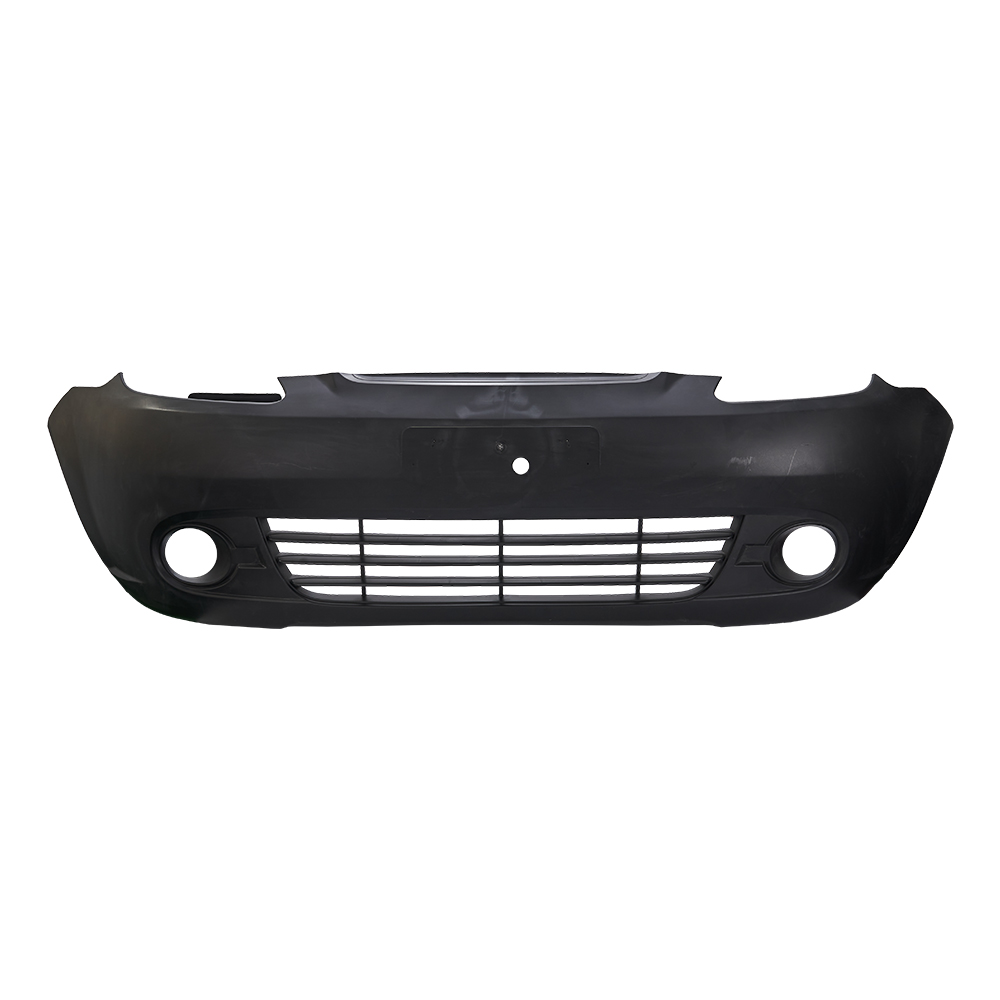
Example of a precision injection molded automotive bumper in ABS plastic
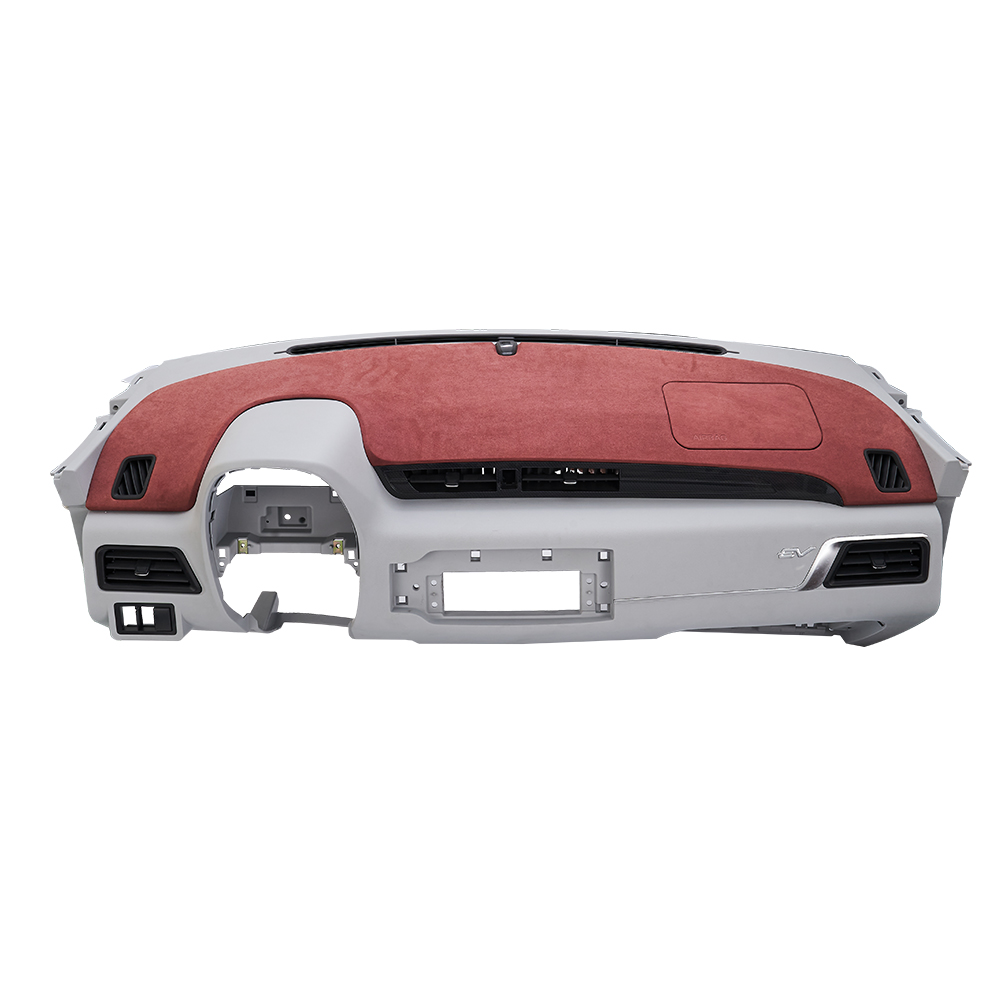
Injection molded car dashboard component
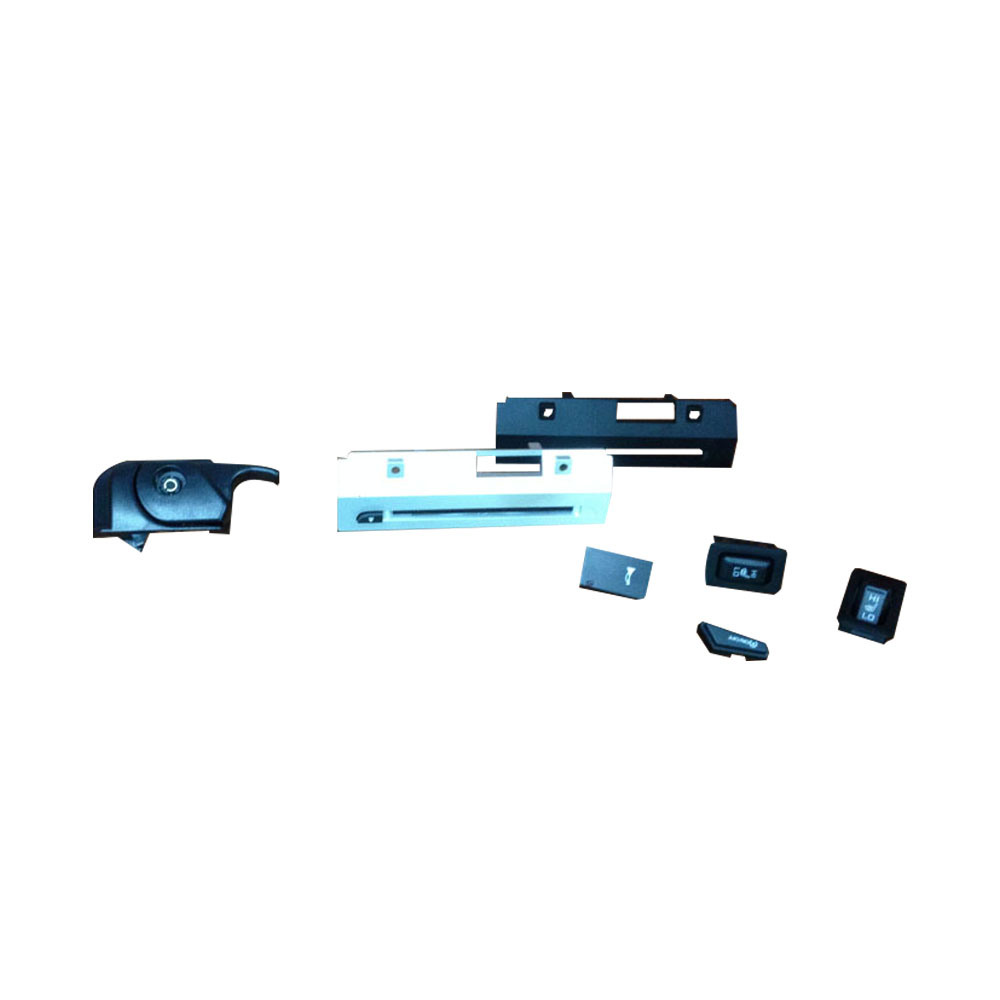
Custom plastic interior buttons and panels for vehicles
Common Automotive Parts Produced via Custom Injection Molding
Injection molding’s versatility shines in automotive production. Here’s a categorized overview with examples:
Exterior Components: These parts must withstand weather, impacts, and UV exposure. Examples include bumpers, grilles, fenders, side mirror housings, spoilers, and wheel arches—often in ABS or PP for resilience.
Interior Components: Focused on aesthetics, comfort, and safety, such as door panels, center consoles, air vents, seat components, handles, and luxurious dashboards—using materials like PC/ABS for a premium feel.
Functional and Under-Hood Parts: These require heat and chemical resistance, including engine covers, air intake manifolds, HVAC ducts, fluid reservoirs, brackets, clips, fasteners, and sensor housings—frequently molded from nylon or reinforced PP.
Lighting and Optical Parts: Clear and durable, such as headlamp housings, taillight lenses, and reflector bowls—typically in polycarbonate or PMMA for optical clarity.
Benefits of Choosing a China-Based Automotive Injection Mold Manufacturer
Sourcing from China, particularly Ningbo—a hub for manufacturing excellence—offers substantial advantages. Tooling costs can be 30–50% lower than in Western markets, without compromising quality, thanks to advanced CNC machining and experienced engineers. Lead times are accelerated, with prototypes ready in weeks and full production scaling rapidly to meet global demands.
Capabilities extend to sophisticated techniques like multi-cavity molds, overmolding for soft-touch surfaces, insert molding for hybrid parts, and high-precision automation. Full compliance with international quality standards and PPAP requirements ensures reliability. We have proudly collaborated with prestige brands including Volkswagen, Toyota, Honda, BMW, and Dongyang Group, delivering high-quality custom plastic parts that meet their stringent specifications and contributing to successful vehicle launches worldwide.
Additionally, Ningbo’s strategic port location facilitates efficient global logistics, reducing shipping times and costs, while a robust supply chain for raw materials keeps production consistent and competitive.
Cost Factors & How to Optimize for Automotive Projects
Understanding costs is vital for budgeting. Major factors include:
- Tooling: Upfront investment (10,000–100,000+ USD) for mold creation; amortize over high volumes.
- Material: Resin prices vary (1–5 USD/kg); bulk purchasing reduces per-part cost.
- Cycle Time & Labor: Faster cycles lower costs; automation minimizes labor.
- Secondary Operations: Add 10–20% for finishing; integrate where possible.
- Volume: Economies of scale drop per-part costs dramatically above 10,000 units.
Optimization strategies: Engage DFM early to simplify designs, choose multi-cavity molds, select cost-effective materials without sacrificing performance, and partner with efficient manufacturers for streamlined production.
Trends in Automotive Injection Molding (2026 Update)
As of 2026, the industry is advancing rapidly. Lightweighting for electric vehicles (EVs) emphasizes ultra-light composites and reinforced thermoplastics to extend battery range. Sustainability drives the adoption of recycled plastics, bio-based resins, and circular economy practices, with many OEMs targeting 30% recycled content in parts.
Advanced techniques like two-shot or overmolding create integrated soft-touch interiors, while in-mold decoration (IMD) and labeling (IML) embed graphics directly, reducing assembly steps. Micro-injection molding enables precise components for sensors and electronics in autonomous vehicles, and Industry 4.0 integrations with AI-optimized processes enhance efficiency and predictive maintenance.
How to Select the Right Custom Plastic Injection Molding Partner
Choosing a manufacturer impacts project success. Use this checklist:
- Proven experience in automotive molding with a portfolio of similar parts.
- ISO certifications or equivalent quality management systems for consistency.
- Strong DFM and engineering support to refine designs.
- Mold flow analysis and simulation capabilities to predict outcomes.
- Rapid prototyping services for quick iterations.
- Effective communication, transparent timelines, and robust global logistics.
- Commitment to sustainability and ethical sourcing.
Conclusion
Custom plastic injection molding is indispensable for crafting lightweight, durable, and innovative automotive parts that align with modern industry demands. From intricate design considerations to material innovations and efficient production processes, mastering these elements ensures superior vehicle performance and competitiveness.
At Ningbo Chenshen Plastic Industry, we provide end-to-end expertise in custom automotive plastic components, supported by cutting-edge tooling, stringent quality control, and comprehensive post-processing services. Our collaborations with leading brands underscore our commitment to excellence.
Ready to elevate your automotive plastic parts? Contact us today for a free DFM review and competitive quote!
Post time: Jan-13-2026